Offer
Provide additional details about the offer you're running.
FLASHSALE


Every purchase tells a story.
The question is not just what you are buying, but what you are supporting and becoming part of. Behind every piece there is a process, a set of values, and real people involved in its creation.
Fast fashion and slow fashion operate very differently, from how items are made to how long they are meant to last. One focuses on speed and quantity, while the other values time, quality, and intention. Understanding the pros and cons of each can help you make more conscious choices, not only for your wardrobe, but for the kind of impact you want to have moving forward.

Fast fashion focuses on producing high volumes of trend-driven clothing and accessories at very low prices. New styles appear constantly, often inspired by runway collections or viral looks on social media. The goal is to bring trends to market quickly, making it easy to stay up to date without spending too much.
While this makes fashion more accessible, it also encourages frequent buying, as trends change fast and pieces are not always made to last.

Slow fashion prioritizes quality over quantity. It focuses on thoughtful design, smaller production runs, and pieces meant to last beyond one season.
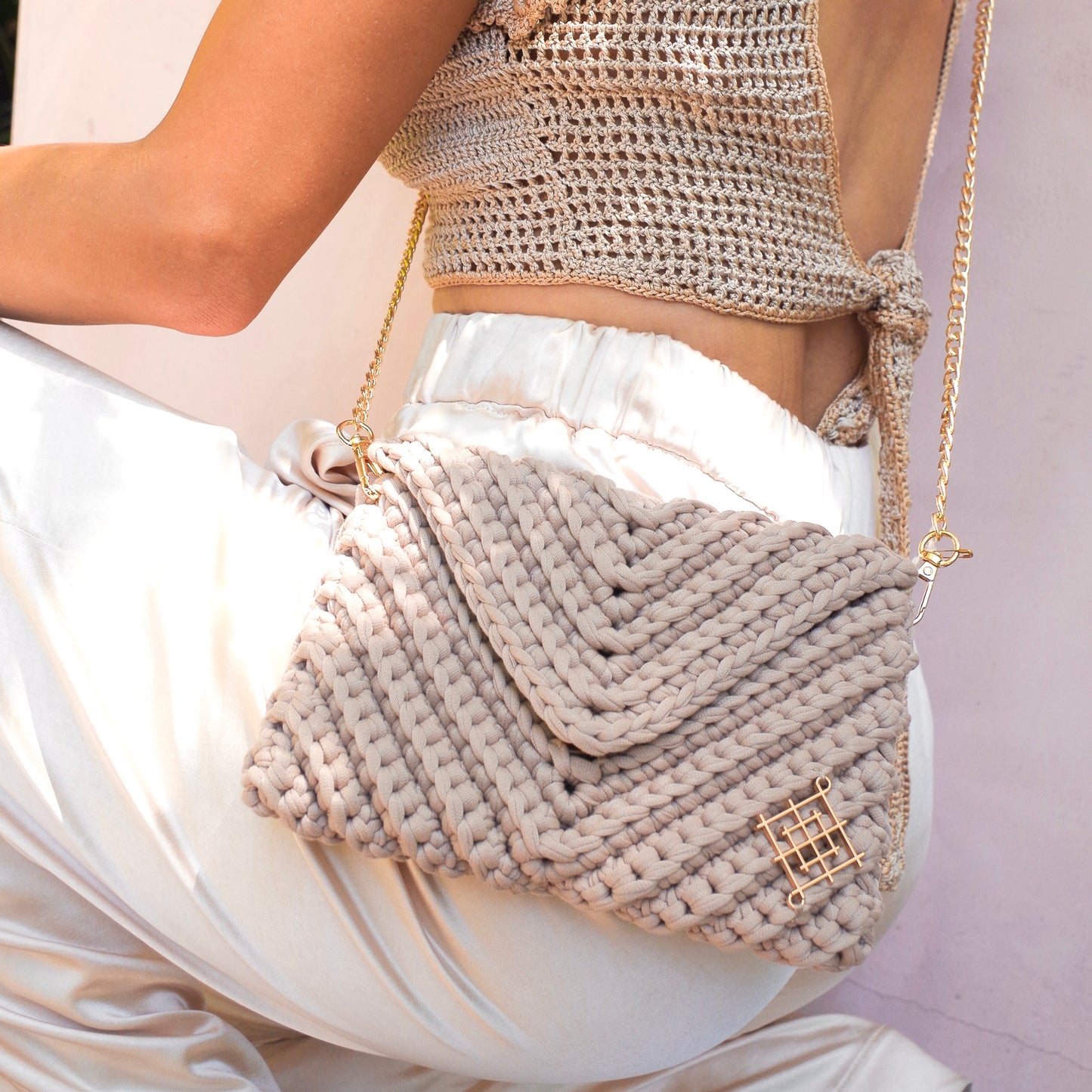
This often includes handmade accessories and small batch collections.

The difference is not just price. It is longevity.
Fast fashion may cost less upfront, but if it fades or falls out of trend quickly, you replace it. The cycle repeats. Slow fashion may require a higher initial investment, but pieces designed to last can be worn for years, styled in multiple ways, and truly valued.

Even a few timeless, handmade accessories can anchor your style in something lasting. So let us know, are you buying for this month, or for the next five years?